
Ryanair’s departure from the Azores: the real impact on tourism and holiday rentals
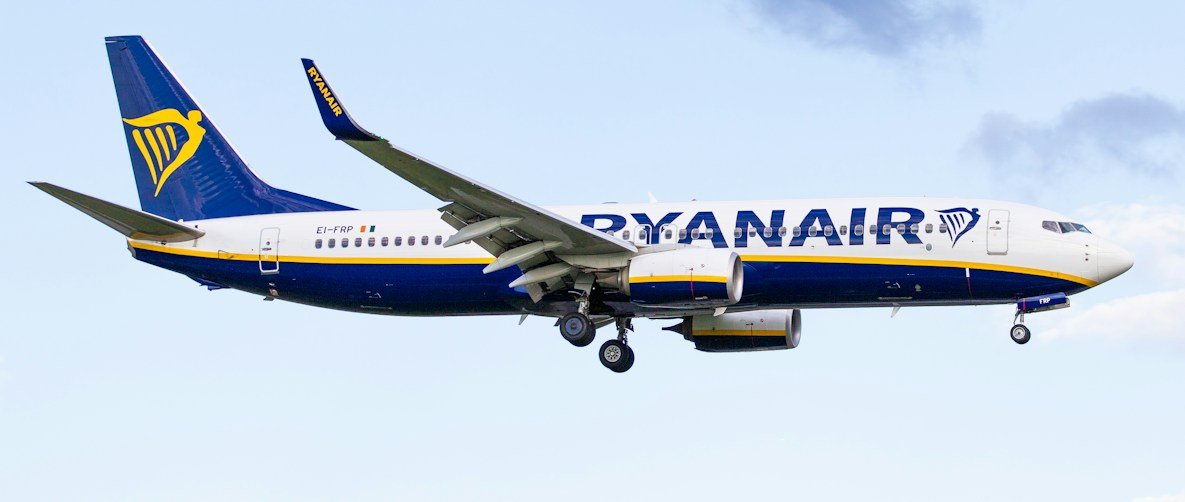
In late 2025, Ryanair confirmed that it would withdraw its entire operation from the Azores from March 2026. The airline attributed the decision to rising airport charges and the absence of conditions it considers essential to maintaining its low-cost model.
Whatever the official explanation, the practical effect is immediate: the archipelago loses hundreds of thousands of seats a year provided by an airline that, whether people liked it or not, made the Azores accessible to more travellers. For years, Ryanair brought tourists who would never have considered visiting the islands without €20 to €40 flights, particularly young travellers, backpackers and people taking weekend breaks.
The truth is that the low-cost operation was more than just another route; it was a structural part of the market, helping to soften seasonality and maintain activity during traditionally quiet periods. And when a destination relies on air connectivity to sustain tourism, every lost route leaves a mark — more on some segments than others.
The role of low-cost airlines in tourism and why Ryanair made a difference in the Azores
The importance of low-cost airlines for peripheral destinations

The importance of low-cost airlines for peripheral destinations
Low-cost airlines have played a decisive role in tourism growth in several peripheral destinations, and the Azores are no exception. Their presence profoundly changes the types of visitors arriving, how frequently they travel and how accessible a destination really is. In the Azores, Ryanair clearly helped diversify tourism flows and attract visitors who would have been unlikely to choose the islands if travel had cost substantially more.
The travellers Ryanair brought to the Azores
These travellers had a fairly distinctive profile. Many were visitors from mainland Portugal looking for a quick break, particularly when fares were low enough to justify a spontaneous trip. Others came from Spain, a market that has historically responded well to affordable island destinations. There was also a steady flow of young Europeans, especially Germans, French and British travellers, drawn by nature, the mild climate and the ability to travel with little planning and without putting much pressure on their budgets. These segments did not compete directly with premium tourism; they complemented it. They filled gaps in the low season, booked more affordable accommodation and helped keep activity going during less popular months.
The immediate impact of Ryanair’s departure
With Ryanair leaving, some of this segment will inevitably disappear. Budget tourism is highly sensitive to price and tends to decline quickly when travel becomes more expensive or less convenient. This is likely to mean fewer short stays, fewer last-minute bookings and weaker occupancy in the months between seasonal peaks. Budget accommodation, hostels and properties with little to distinguish them will feel the impact first, as they depended on volume rather than added value. On some islands, where Ryanair routes played a more visible role, the decline could be even more significant.

The opportunities this change could bring
There are also less-discussed effects that could become opportunities. When travel costs rise, visitors who decide to come tend to stay longer to justify the expense. This can reduce the pattern of quick trips between islands and encourage longer stays in one place. These visitors spend more locally, develop a stronger connection with the destination and contribute to more sustainable tourism. In many cases, a longer average stay can offset a fall in the overall number of visitors.
Repositioning tourism in the Azores
There is also the question of visitor profile. If the proportion of tourists with greater spending power increases, accommodation that invests in quality, presentation and professional service could benefit directly. This does not mean turning the destination into a luxury market, but reinforcing a natural tendency: people who pay more to travel often place greater value on their accommodation, experience and service. For those working professionally in holiday rental management, this could be an interesting moment to reposition their offering and stand apart from properties that continue to compete on price alone.
What about the future of air connections?
Some caution is sensible when considering air connectivity. The departure of a low-cost airline such as Ryanair inevitably leaves a gap, and no airline currently has the immediate capacity to absorb the same volume or the same type of demand. The SATA group may adjust schedules or strengthen some connections, but this is unlikely to offset the overall impact. It is natural for the market to go through a period of adjustment before finding a new balance.
There is, however, another layer that makes the issue more complex: SATA’s own situation. With discussions about the airline’s future, the possible privatisation of part of the group and pressure to make operations more sustainable, it is unclear how the regional carrier will position itself over the coming years. Its development will directly influence tourism and access to the archipelago, but that subject deserves its own analysis, as it goes far beyond Ryanair’s departure.
For now, the key point is to recognise that the market is likely to readjust. Other airlines may consider the region, particularly if they identify consistent demand and favourable conditions. The destination itself may also move towards a position more focused on visitors who continue to choose the Azores even without extremely low fares.
Ultimately, the real effect will be a change in visitor profile rather than a collapse in tourism. The destination will continue to attract visitors, but with different motivations and budgets. For businesses in the sector, the challenge is to understand this transition clearly and adjust their offering strategically.
A changing market and the importance of a sound strategy
Tourism in the Azores is entering a new stage, with less dependence on volume and a greater focus on quality, experience and authenticity. For owners, this means rethinking their strategy and adapting to visitors who are likely to stay longer and expect better standards.
This is precisely where professional management makes a difference. At Your Nest, we help owners make the most of this new context, preparing each property to attract more discerning guests and maintain consistent occupancy throughout the year. If you feel your property could achieve more, we are always available to find the right way forward with you.